


WHY DO YOU NEED TO HUSK/HULL SOY
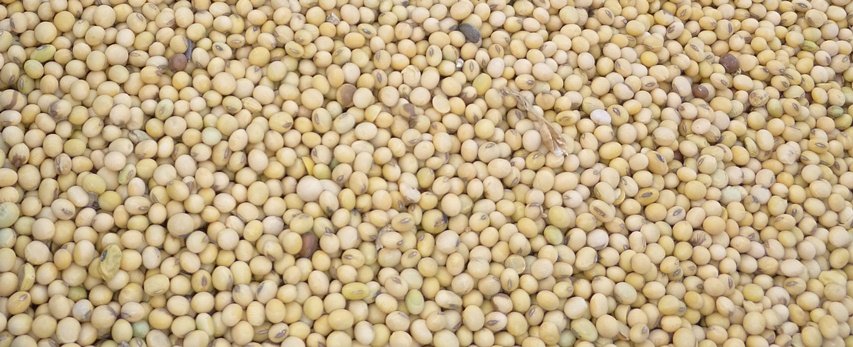
If you are interested in decreasing the final fiber content, increasing the protein in the product and increasing the extruder efficiency and you will never skip soy dehulling.
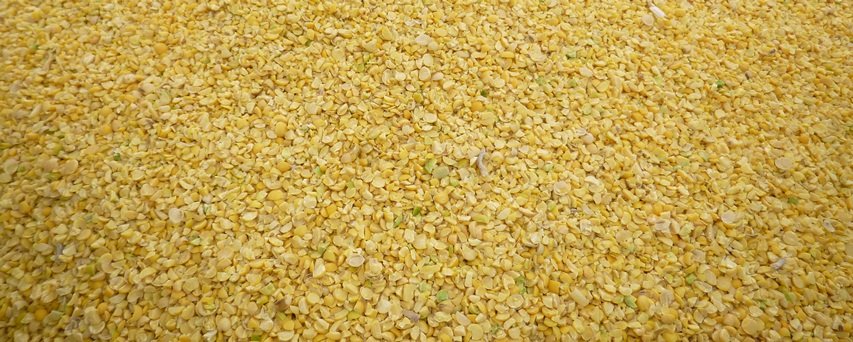
The hull content in soybeans is 7.5%, after its peeling or decortication there are no more than 1.5% soy husks in the dehulled product. Consequently, there is from 3.5 to 5.5% fiber in the raw material.
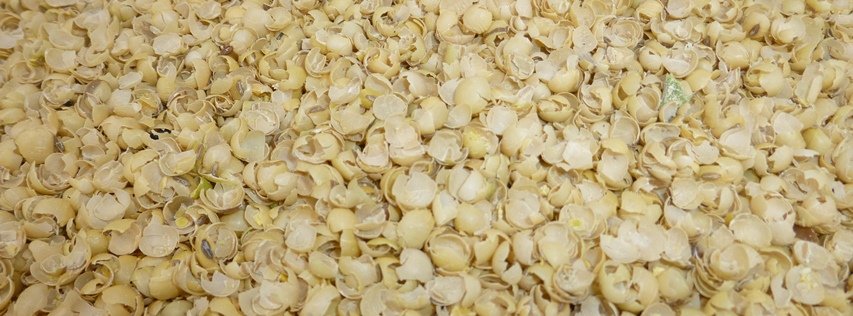
After removing the fiber the mass fraction of other components such as proteins, carbohydrates increases.
Let's consider what it means in practice.
For example you have soybeans with protein content 30% and you follow the typical process flow – extrusion, mechanical oil pressing, cooling as a result:
1) if you don’t dehull soybeans, you’ll get the oil cake with PROTEIN CONTENT 34.9%
2) if you dehull soybeans, you’ll get the oil cake with PROTEIN CONTENT 37.3%
You get the PRESS CAKE WITH A HIGH CONTENT OF PROTEIN. Also increasing the content of protein you increase the selling cost of your product.
After the fiber has been removed that eased the mechanical oil extraction in the screw oil press. It is believed that fiber binds or in other words holds the oil inside the press cake while the lack of fiber improves the oil yield.
After soy dehulling the OIL OUTPUT increased to 1-1.5%.
For example while processing 20 tons of soy per day, the dehulling process increases the oil yield in 300 kg per day. Let's look at the pros on monetary indicators, the cost of 1 ton of soybean oil is 770 dollars while the income from soy peeling is 230 dollars per day (4,620 per month).
If you have any questions, feel free to contact:
+38 067 384 29 60
+38 067 474 75 99
+38 067 466 21 42
+38 067 327 07 57
e-mail: This email address is being protected from spambots. You need JavaScript enabled to view it.